


 0
0


Is Kikuyu Lawn Grass Shade Tolerant?
News- 16 - 01 - 2026
- Turf News
So you are thinking about laying Kikuyu grass at your place? Fair enough – it is found everywhere in Victoria. You will spot it in backyards, at the local park, and on every second sports ground you drive past. But it is worth asking what happens when Kikuyu doesn’t get full sun all day.
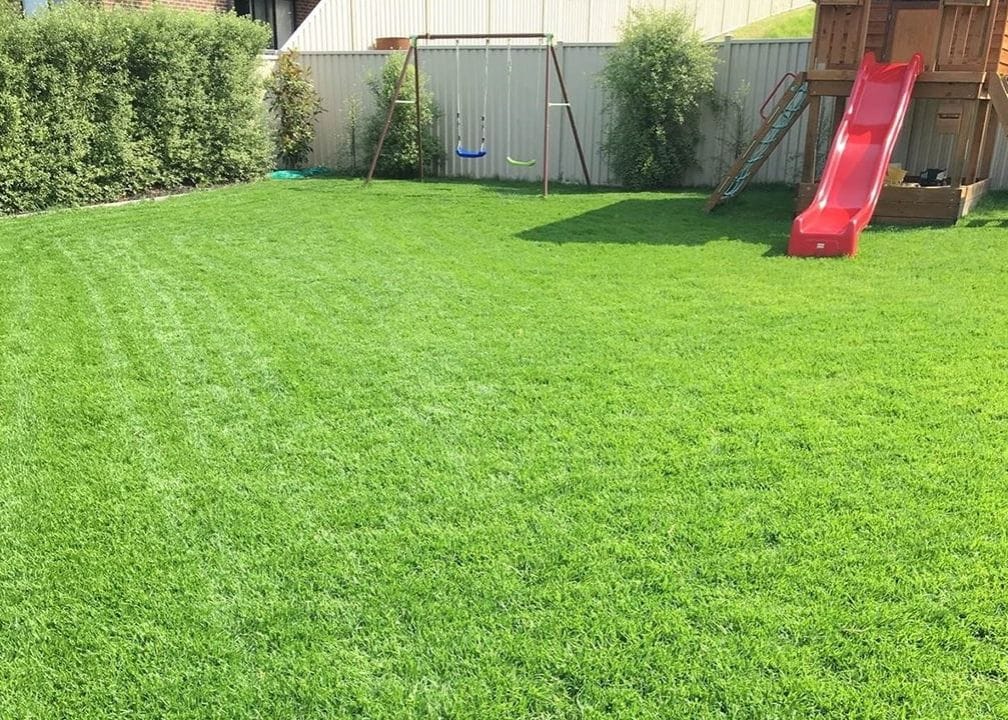
Kikuyu isn’t really what you would call a shade-tolerant grass, but it can handle a bit of shade if everything else lines up. The key is knowing what “a bit of shade” actually means in the real world, how Kikuyu behaves when it is not soaking up rays all day.
Let us explore how Kikuyu grass actually performs when it is not getting enough sunshine.
Why is Kikuyu so Sun-hungry?
Kikuyu is a warm-season grass, which basically means it wants more sun. When it gets plenty of sunshine, it spreads like crazy, getting nice and thick, and showing off that deep green colour that can make your mates jealous.
Take the sun away, and the whole story changes. Photosynthesis slows right down, its growth gets a bit sad and patchy, and instead of spreading thick and lush, it just tries to stay alive. That is why the shaded bits of a Kikuyu lawn often look thin and scraggly compared to the areas getting full sun.
Here is the thing: Kikuyu really wants at least six to eight hours of direct sunlight every day to do what it does best.
If your Kikuyu grass lawn is getting less than that on a regular basis, you are likely to be battling to get that thick, healthy turf that Kikuyu can give you.
How Much Shade Can Kikuyu Actually Cope With?
Look, Kikuyu grass can handle light shade or that dappled stuff you get under trees – especially if it is still getting decent sun for a good chunk of the day. Areas that get morning sun and then some shade in the arvo, or spots with filtered light coming through the branches, usually do okay for Kikuyu grass.
But heavy shade or all-day shade? That is where things get dicey for Kikuyu. Kikuyu grass lawns, which get stuck in the shadow of buildings, of tall fences, or thick tree canopies all day, tend to really struggle. In those spots, Kikuyu gets all leggy and thin, and weeds and disease move in like they own the place.
And here is something worth knowing – not all shade is the same. Shade that moves across the lawn during the day is much easier for Kikuyu grass to deal with than the shade that just sits there all day, where the grass never sees proper sun.
Kikuyu in the Shade
When you are trying to grow Kikuyu in shaded spots, you will start seeing the same problems emerge pretty quickly. The grass loses that nice density – you will see bare dirt poking through between the runners. Growth of Kikuyu grass in such cases slows down to a crawl.
Shaded Kikuyu also becomes a magnet for fungal elements because moisture lingers longer. Moss loves setting up shop in these damp, shaded patches, especially when it is cooler. And because the Kikuyu is not growing strongly, weeds tend to take over.
The colour is another dead giveaway. In the shade, Kikuyu grass loses that vibrant green you are after and goes pale or even a bit yellowy, doesn’t matter how much you water it or chuck fertiliser at it.
How the Seasons Affect Shaded Kikuyu
The time of the year makes a massive difference to how shaded Kikuyu performs. In summer, you have longer days, and the sun is higher in the sky, which helps shaded lawns do better even when part of the yard is blocked. But in winter, shaded Kikuyu can really go to pieces – the sun’s lower, days are shorter, and those shaded areas can deteriorate faster than you would think.
This is why some Kikuyu grass lawns look pretty good in summer, but then thin out once winter rolls around. If your place has tall fences or big mature trees, probably your Kikuyu grass lawn will perform its worst during the cooler months.
Understanding how the shade changes throughout the year will help you figure out what your lawn is actually going to look like year-round, not just in the good times.
Managing Kikuyu if You Have Got Some Shade
If you have Kikuyu grass and only moderate shade to deal with, decent management can actually make a real difference. The best thing you can do is improve the amount of light that gets through. Pruning back tree canopies, thinning branches, and cutting back overhanging branches can significantly increase the amount of sunlight hitting your lawn.
Mowing height matters too. In shaded areas, keep your Kikuyu grass a bit longer than you would in full sun. That extra leaf length helps the grass grab whatever light it can get and keep some energy in the bank too.
You may need to change up how you water as well. Shaded lawns don’t dry out as quickly, so if you are watering too much, you are basically asking for disease problems. Water less often, but give it a good soak when you do, and always check if the soil is actually dry before you turn the sprinklers on.
Fertilising shaded Kikuyu needs a bit of common sense, too. Too much nitrogen and you will get soft, weak growth that would struggle even more in low light. A controlled-release fertiliser applied at the right time of the year is usually your best bet.
The Challenge of Tree-shaded Lawns
Tree-shaded lawns are particularly brutal for Kikuyu. You are not just dealing with reduced light – the tree roots are down there, scrapping for water and nutrients as well. That double hit often means the turf directly under big trees goes really thin and sad-looking.
In these spots, even well-looked-after Kikuyu might never get as thick as the open areas. Improving the soil and keeping everyone off it can help Kikuyu survive, but you have to be realistic about what it is going to look like.
How Kikuyu Stacks Up Against the Turf for Shade
Kikuyu’s rarely going to be the best turf for shade. Grasses like Sir Walter Buffalo are way more shade-tolerant and keep decent coverage with way less direct sun. If you need a proper shade-tolerant lawn, Buffalo’s hard to beat. Zoysia varieties can also do better than Kikuyu in light to moderate shade, though they grow more slowly.
Kikuyu’s still got advantages where sunlight is not too bad – it handles wear and tear brilliantly, recovers fast, and it is cheaper than a lot of other options, as long as you haven’t got too much shade.
Finding the best turf for shade isn’t about some magic grass that does everything. It’s about being honest about your site, your lifestyle, and about how much shade you are actually dealing with.
Kikuyu Despite the Shade
Kikuyu is often still the right call when most of your lawn gets good sun, even if some parts are shaded part of the day. Homes with open backyards, north-facing blocks, or few trees generally get great results with Kikuyu grass.
While Kikuyu mightn’t be the best turf for shade, it could still be your best overall pick if shade is only part of the story. Professional turf advice can help you determine whether Kikuyu will perform well enough for your specific setup.
Get Expert Advice Before You Commit
Before you lock in any turf variety, it is worth properly sussing out your property’s sunlight patterns, soil conditions, and how you are actually going to use the lawn. What works a treat for one house might struggle just down the road because of which way it faces, its tree cover, or what is next door to it.
If you need a shade-tolerant lawn or you are trying to figure out the best turf for shade at your place, getting professional advice is worth its weight in gold. Anco Turf has extensive experience supplying Kikuyu and other grass varieties to homeowners, landscapers, and sporting facilities throughout Victoria. Their team knows how different grasses actually perform in real conditions, not just on paper.
Getting advice before you lay anything can save you time, cash, and a lot of headaches down the track.
Summing Up
Kikuyu lawn grass isn’t a proper shade-tolerant grass, but it can manage light to moderate shade when you look after it properly. It does best where it still gets several hours of direct sunlight and struggles in heavily shaded or permanently damp spots.
For homeowners with mostly sunny lawns and just a few shaded bits, Kikuyu is still a solid, practical choice. But where shade is the main game, looking at other shade-tolerant lawn varieties or changing up the landscape is often the smarter move.
Understanding what you are working with and being realistic about expectations is the key to choosing a lawn that looks good and lasts, rather than constantly fighting a losing battle. Whether you go with Kikuyu or pick a more shade-tolerant grass, making a smart decision based on your actual outdoor conditions will save you headaches later.


 Back
Back
